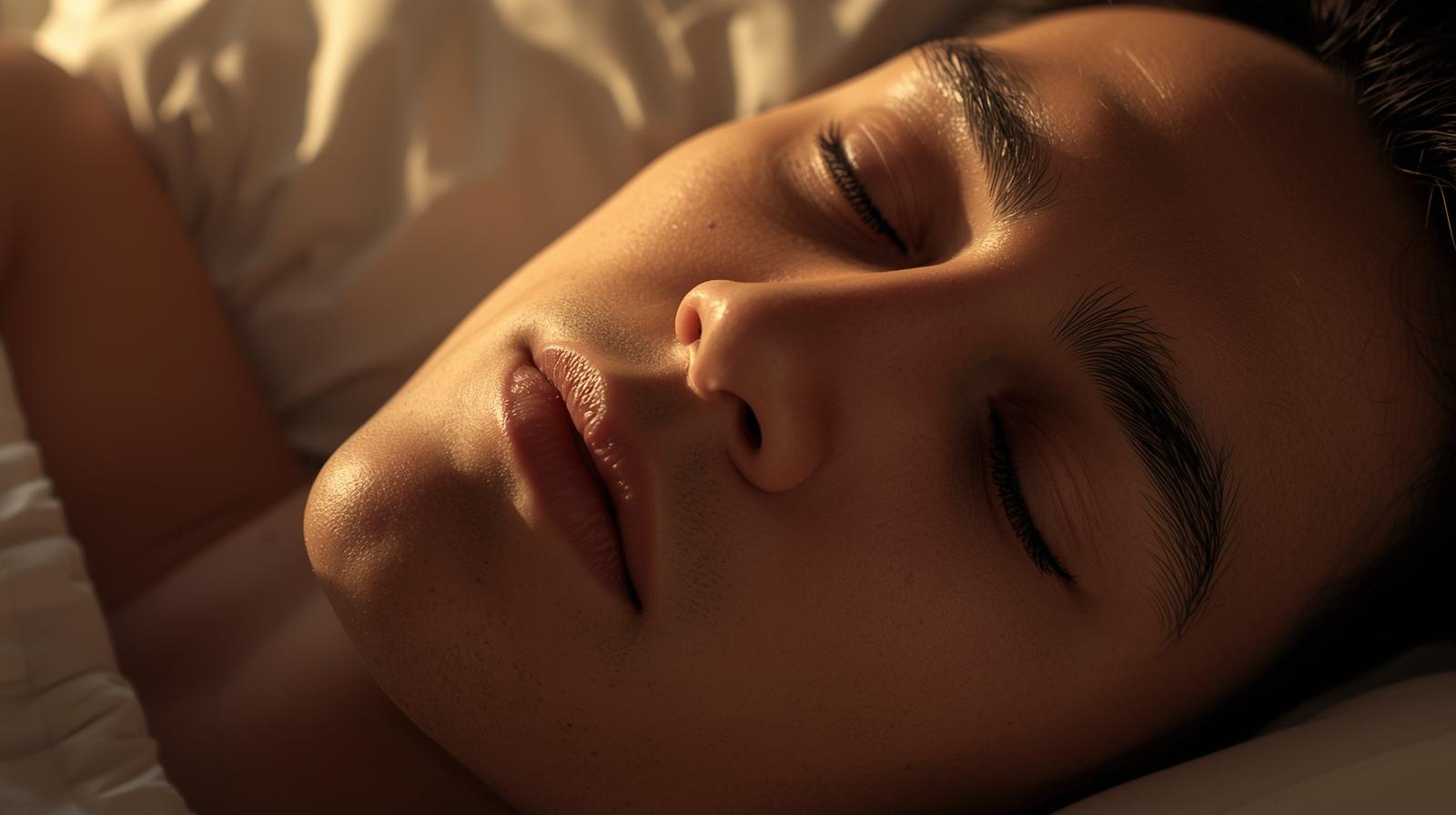
How Oral Posture And Breathing Patterns Influence Your Sleep Health
Most people think sleep depends on bedtime routines, noise levels or the number of hours spent in bed. These factors matter, but another influence is often overlooked. Oral posture (the way your mouth, tongue and facial muscles rest) during the day and night can shape how your airway functions and how deeply you sleep.
This relationship between oral posture and sleep health is becoming more widely recognized. When the mouth stays open, when the tongue rests low or when breathing shifts away from the nose, nighttime breathing can become less efficient. Even small changes in airflow can disrupt the natural rhythm of sleep.
Orofacial Myofunctional Therapy and structured breathing retraining offer practical ways to support healthier breathing habits. These approaches strengthen the muscles of the face, lips and tongue and help guide the body toward nasal breathing as the preferred automatic pattern.
How Oral Posture Influences Breathing During Sleep
Healthy oral posture involves a relaxed lip seal, the tongue resting against the palate and the body relying mainly on nasal breathing. This posture supports proper airflow, encourages calm breathing patterns and helps keep the airway stable.
When oral posture shifts away from this healthy pattern, several issues can appear. Here are the main ways oral posture affects sleep health.
Habitual mouth breathing
Many people fall into mouth breathing without realizing it. Sleeping with an open mouth introduces drier, less filtered air into the airway. This can lead to irritation, noisy breathing and difficulty maintaining deeper stages of sleep. It also increases the chances of snoring, which is linked with airway vibration.
Low tongue posture
The tongue plays an important role in airway stability. When the tongue rests high against the palate, the airway tends to remain more open. When the tongue sits low or falls backward during sleep, airflow can become restricted. This can contribute to fragmented sleep, shallow breathing and increased effort to draw air in.
Unbalanced breathing patterns
Some people breathe quickly or shallowly during the day, and this pattern continues into sleep. These breathing challenges may be influenced by stress, posture, or habits developed over time. Approaches such as Buteyko Breathing Techniques focus on helping the body adopt steadier, calmer breathing that supports sleep quality.
Oral habits that persist through the night
Tongue thrusting, weak lip seal, incorrect swallowing patterns and difficulty maintaining nasal breathing can all influence nighttime airflow. These patterns often develop in childhood but can persist into adulthood if they are not addressed.

Why These Breathing Patterns Matter For Sleep
Poor oral posture and disrupted breathing may seem minor, but the consequences can build over time. Sleep that feels light or unrefreshing is often linked to airflow disturbances that may not fully wake you but still interrupt the rest cycle.
Morning tiredness
People often describe waking up feeling heavy or foggy despite being asleep for many hours. Small breathing disturbances can prevent the body from entering deep sleep consistently, which leads to waking up tired.
Snoring and noisy breathing
Snoring is often a sign of airway resistance. When the mouth stays open or when the tongue falls back, airflow becomes more turbulent. Snoring does not always signal a medical condition, but it does show that breathing is not as smooth or efficient as it could be.
Dry mouth and throat irritation
Air entering directly through the mouth bypasses the filtration and humidification that nasal breathing provides. This can contribute to dry mouth, scratchy throat and a feeling of waking up unrefreshed.
Contribution to sleep disordered breathing
While poor oral posture is not the sole cause of sleep apnea, it can influence airway stability. When combined with structural or medical factors, these patterns may increase the likelihood of nighttime breathing difficulties. This is why habits like mouth breathing can be important to address early.
Effects on children
In children, long term mouth breathing can influence Facial development, eyelid posture, jaw growth and dental spacing. It may also contribute to changes in Speech development and daytime focus. The earlier these patterns are identified, the easier they are to address.

Supporting Healthy Oral Posture And Breathing Patterns
Orofacial Myofunctional Therapy provides a structured way to improve Facial muscle function, oral posture and breathing coordination. These exercises help build strength, awareness and consistency so the body can maintain better habits naturally.
Assessment
A therapist begins by observing how a person breathes at rest, how the lips close, how the tongue rests, how the jaw aligns and how swallowing occurs. This helps identify the root patterns influencing nighttime breathing.
Breathing and facial muscle exercises
Therapy uses a set of targeted exercises designed to improve control of the lips, cheeks, tongue and airway muscles. These exercises may include:
Tongue elevation training
Lip seal strengthening
Swallowing coordination
Gentle breathing drills that promote nasal airflow
OMT breathing retraining sequences tailored to the individual
These exercises work together to help guide the body toward healthier breathing and oral posture.
Integration into daily life
Myofunctional Therapy is most effective when the strategies become part of everyday habits. This might include reminders to maintain a closed lip posture, building nasal breathing awareness during activities or using breathing techniques to support relaxation.
Support for children and families
Children often benefit from early guidance, especially if they show signs of mouth breathing, snoring or changes in jaw development. Parents play an essential role in reinforcing healthy patterns at home.

How Professional Guidance Fits Into Better Sleep Health
Orofacial Myofunctional Therapy does not replace medical care, but it can support it. A qualified therapist helps identify patterns that may be overlooked, provides exercises to strengthen oral muscles and guides breathing retraining that can complement Snoring solutions and sleep apnea support.
A clinic focused on breathing and oral posture provides:
Guidance for Mouth breathing correction
Training programs for Breathing and facial muscle exercises
Support for facial development patterns in children
Techniques informed by approaches like Buteyko Breathing Techniques
Integrative strategies that work alongside dental and medical care
These steps help people build long term habits that support healthier airway function during sleep.
Frequently Asked Questions
What is healthy oral posture during sleep
It involves the tongue resting on the palate, the lips closed and nasal breathing as the default pattern.
Can breathing retraining improve nighttime snoring
Breathing retraining approaches, including techniques inspired by Buteyko Breathing Techniques, may support calmer, more controlled breathing and reduce mouth breathing that contributes to snoring.
How does Orofacial Myofunctional Therapy support sleep health
It strengthens the muscles of the face and mouth, improves oral posture and encourages nasal breathing through targeted exercises.
Is this therapy helpful for children
Yes. It can support Facial development, address breathing challenges early and help guide healthier patterns that influence long term comfort and growth.
Can I fix oral posture on my own
Some self guided exercises may help increase awareness, but a trained therapist can identify specific patterns and provide a tailored plan that fits your needs.
Closing Thoughts
Sleep quality is influenced by many factors, and oral posture is one of them. When the tongue rests in a balanced position, when the lips close comfortably and when the nose becomes the primary breathing pathway, the airway can function more smoothly during the night. This helps support deeper, more restorative sleep and a calmer overall breathing rhythm.
By improving oral posture and breathing patterns through structured training, people often find that sleep becomes easier and more comfortable. Orofacial Myofunctional Therapy offers a practical way to strengthen the muscles involved in breathing and guide the body toward healthier habits that support long term wellbeing.
If you notice frequent mouth breathing, snoring or persistent dryness in the morning, exploring these patterns with a trained therapist may help you take the next step toward better sleep health.
Discover how to Identify Orofacial Myofunctional Disorders and how Orofacial Myofunctional Therapy can help - read our recent article here..